
Fiddle Traditions
Optional Text
The Music of Sliabh Luachra: A Legacy of Fiddle Tradition and Pádraig O’Keeffe
3 March 2026
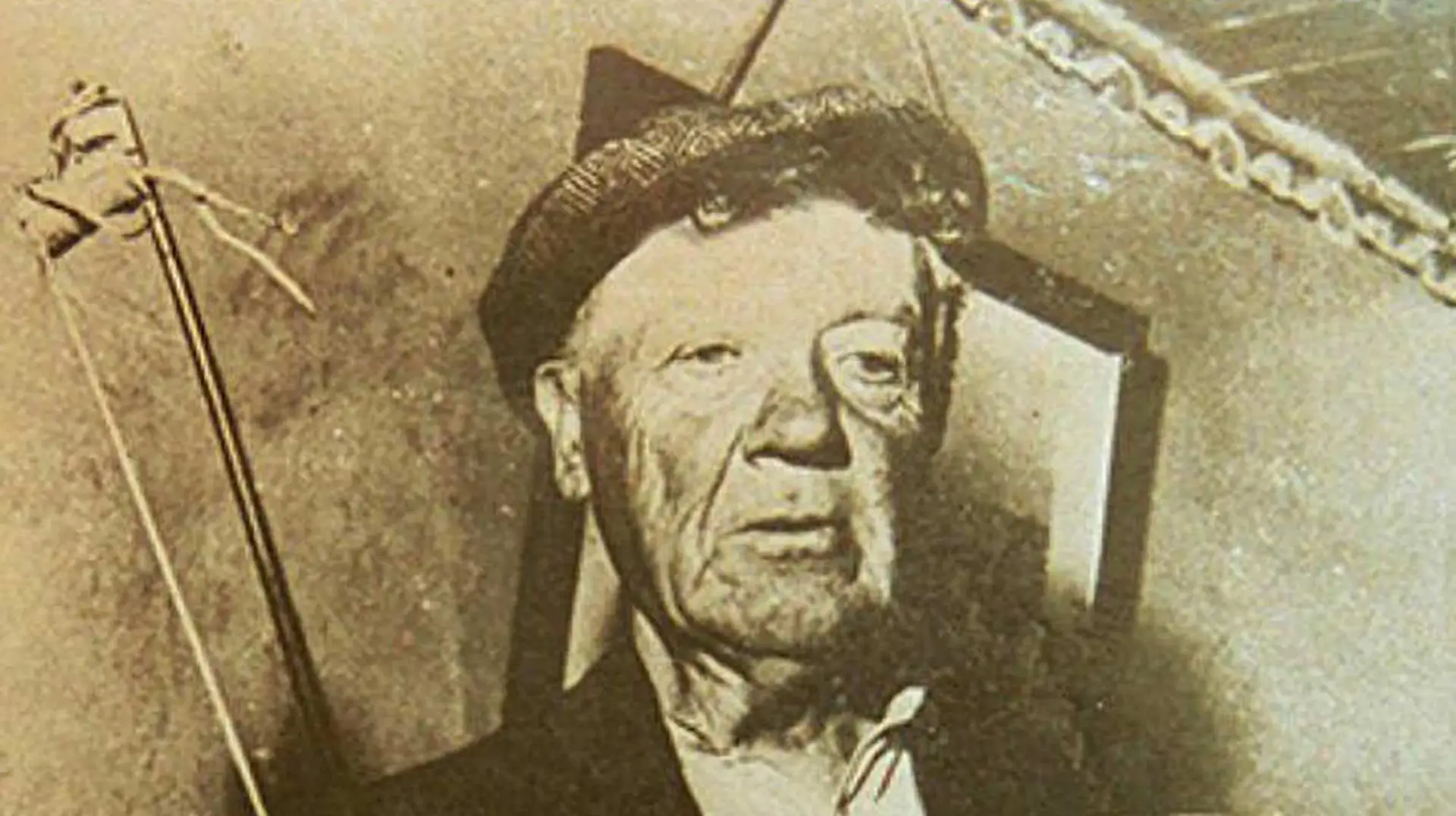
Born in 1887 in Glountane, County Kerry, Pádraig O’Keeffe grew up with music in his blood. Classically trained, he could have taken a very different path, but the pull of traditional music – his music – was too strong to resist. What set O’Keeffe apart wasn’t just his skill with a bow; it was the way he taught and passed on the music of Sliabh Luachra.
Read More
The Clare Fiddle Style: A Journey Through Lyrical Elegance and Timeless Tradition
3 March 2026
Donegal fiddlers are known for their tight, rhythmically sharp playing. The bowing is often strong and deliberate, with a clear emphasis on rhythm to drive the tune forward. This makes Donegal music particularly suited for dance, where clarity and pulse are essential.
Read More

The Sligo Fiddle Tradition: A Legacy of Drive, Rhythm, and Ornamentation
3 March 2026
Donegal fiddlers are known for their tight, rhythmically sharp playing. The bowing is often strong and deliberate, with a clear emphasis on rhythm to drive the tune forward. This makes Donegal music particularly suited for dance, where clarity and pulse are essential.
Read More

The Cape Breton Fiddle Style: A Tradition Rooted in Scottish Heritage
3 March 2026
The Cape Breton fiddle style is notable for its close ties to dance. Cape Bretoners value the music’s role in traditional step dancing and square dancing, so fiddlers often prioritise rhythm, lift, and energy in their playing.
Read More
The Donegal Fiddle Style: Bold, Driving, and Rhythmic
3 March 2026
Donegal fiddlers are known for their tight, rhythmically sharp playing. The bowing is often strong and deliberate, with a clear emphasis on rhythm to drive the tune forward. This makes Donegal music particularly suited for dance, where clarity and pulse are essential.
Read More
